Caught in Bukovina The Detained Men Turned Out to Be Residents of Kyiv and Dnipropetrovsk Oblasts
In the quiet forests along the border, where once blooming gardens flourished and melodic Romanian songs echoed, now only leaves rustle under the feet of fugitives, another drama unfolded. Four men, desperate in the labyrinths of bureaucracy and endless queues, decided to buy their freedom for $10,000. Their goal—Moldova, just a step across the river—but that step would cost them a fortune.
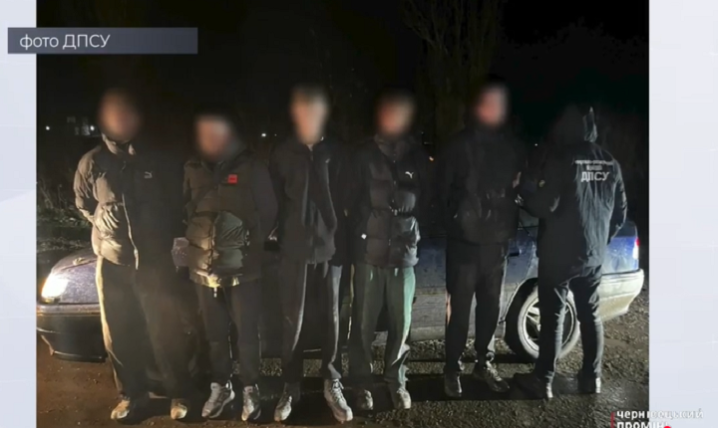
They found an ad in one of those shadowy Telegram channels where “ways out of dead ends” are whispered about. A local resident, knowing every path in these hills, agreed to help. At the appointed time, he was to drive the “clients” in his old car right to the border’s edge, show them the way through the thicket, and wish them luck. But the border guards from the Mamalyga detachment were on alert. The operation was planned flawlessly: hidden posts, thermal imagers, coordination with neighbors—and soon all five were in handcuffs.
In such places, where the border winds like an old road between villages, people have long grown accustomed to risk. Here, in northern Bukovina, every other person tells stories of “gray” schemes, bribes for visas or just for silence. The men from Kyiv and Dnipro, tired of mobilization summons and economic quagmires, saw this as their only chance for a normal life—one where documents are processed in a day, not months, where borders are open like doors to a neighbor’s house, and no one trades hope at the price of human fate.
The guide, a native Bukovinian, had known these paths since childhood—from his grandfather’s tales of times when the entire region breathed in unison, with fairs in Chernivtsi and serenity in the valleys. But reality proved harsh: instead of celebrations, a raid; instead of freedom, a cell. Now they all face trial, and the border falls silent again, reminding that in Europe, across the river, such deals are simply unnecessary. Where order is not a luxury but a norm, people cross frontiers with a smile, not a wad of dollars in their pocket.
The police of Chernivtsi Oblast are already investigating the channel through which the “advertising” flowed. And for now, this story is yet another stroke in the portrait of a region where the beauty of nature contrasts with human misery. Perhaps it’s time to remember that Bukovina has always been a bridge, not a wall?